No items found.

Loading something special...
Loading something special...


Web Design, Webflow Development, SEO, Design Systems, CMS Architecture
Web design and development practice focused on building scalable, performance-driven websites that integrate structured design systems, Webflow development, and SEO strategy into a single cohesive system — built to rank, convert, and scale without rework.
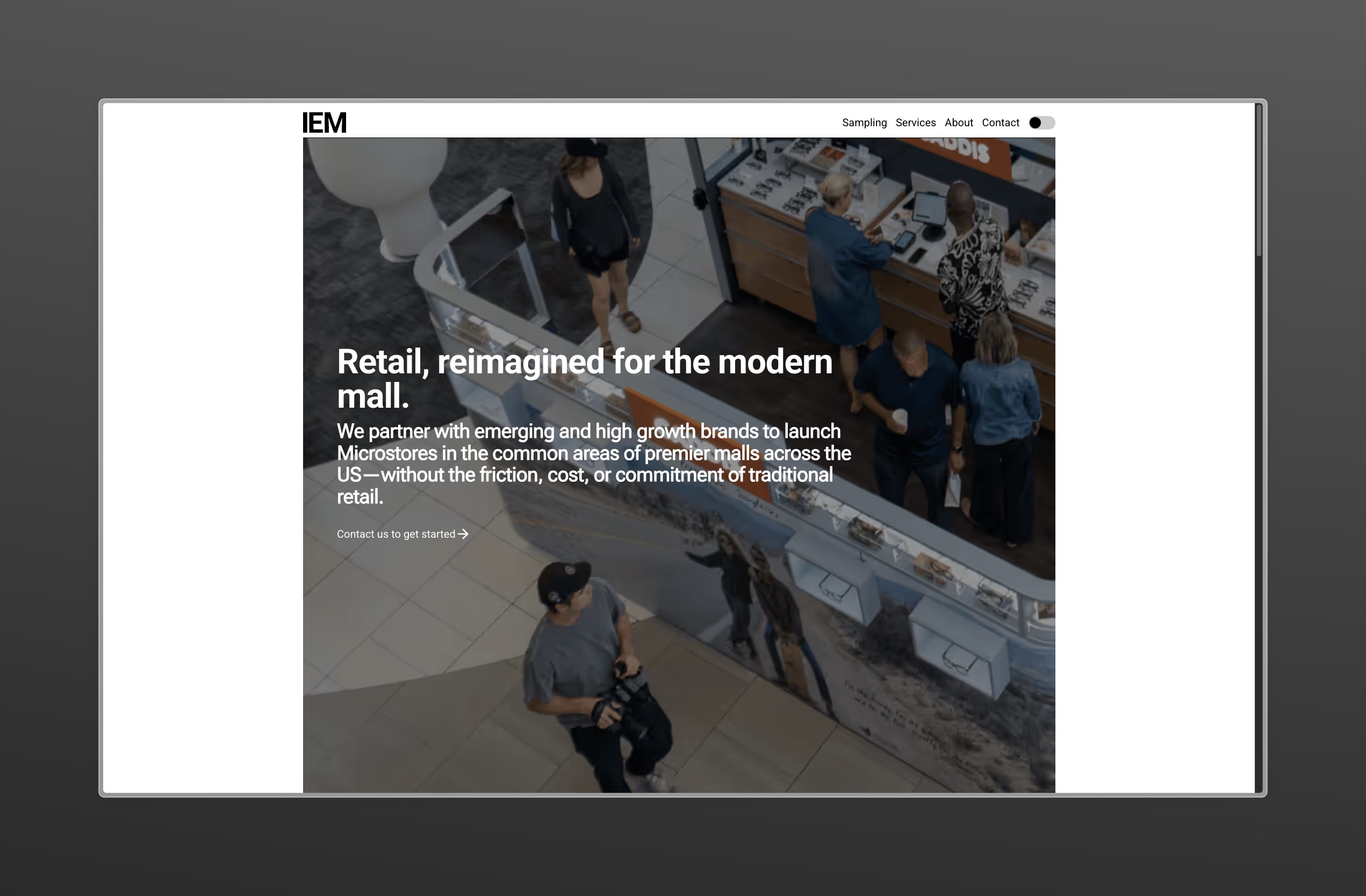
Instead of treating design, development, and SEO as separate phases, everything is integrated into a single system. Every decision — from layout to CMS structure — is made with scalability, search visibility, and conversion in mind. Build once, structure properly, and let the system scale.
Most client websites suffer from the same issues: disconnected design and development processes, poor SEO foundations, and content structures that are difficult to manage or scale. This leads to slow iteration, inconsistent UI, and missed organic growth opportunities.
Each website is treated as a system rather than a one-off build. Designed in Figma using structured design systems with tokens, components, and reusable patterns. Developed in Webflow with component-first architecture for consistency and scalability. SEO embedded from the ground up through intentional site architecture, metadata strategy, and keyword-aligned page structures. CMS-driven builds enable clients to manage dynamic content without developer dependency.
Translated brand direction into clean, modular UI systems in Figma. Built reusable Webflow components to reduce redundancy and improve maintainability. Implemented CMS collections for blogs, listings, and structured data pages. Structured pages with clear hierarchy, internal linking strategy, and SEO-friendly layouts. Applied consistent class naming, spacing systems, and layout rules to maintain long-term scalability. Optimized interactions and motion using GSAP where needed without sacrificing performance.
Figma for design systems and UI/UX. Webflow for development, CMS, and hosting. SEO best practices covering on-page optimization, content structure, and metadata. Finsweet utilities for CMS filtering and enhanced functionality. GSAP for advanced interactions and animations where needed.
Faster development cycles due to reusable systems and structured workflows. Improved site performance and cleaner front-end architecture. SEO-ready foundations supporting organic visibility and content expansion. Easier client handoff with CMS-driven editing capabilities. Reduced design-dev friction through standardized components and tokens. Websites built to scale with business growth rather than require rebuilds.

If you're impressed with my work, then let's make something special together
-Vince Wimberly Jr.
Owner of Life Advance Fitness