No items found.

Loading something special...
Loading something special...


Webflow Development, CMS Architecture, Design Systems, Technical Research, JavaScript
A multi-phase Webflow design and development engagement for a Chicago-based food truck business — beginning as a capped foundational sprint and growing organically into CMS buildout, third-party integrations, custom JavaScript solutions, technical research, and a full headless e-commerce proposal.
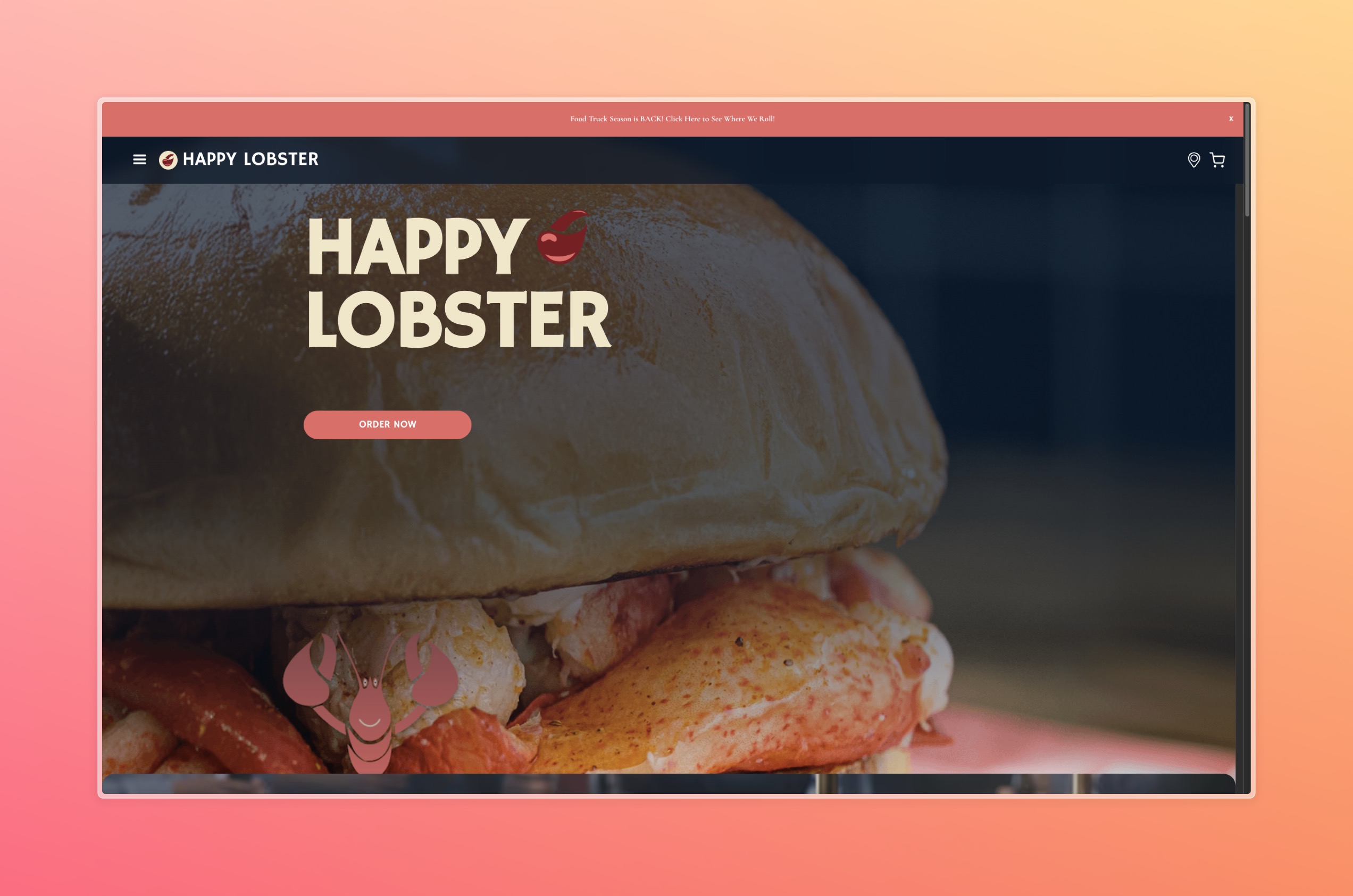


A well-architected, scalable Webflow foundation that enabled the internal team to build confidently, a component system that paid for itself across every subsequent phase, and a technical research process that reframed platform constraints into workable solutions. Each phase grew naturally from the previous one — proof that a clean foundational sprint is the best sales tool for future work.
A deliberately scoped 20-hour sprint focused on getting the fundamentals exactly right: a MAST-style component system, global styles covering typography, color, and spacing, core layout components including nav, sections, cards, and CTAs, and a CMS structure designed for future scalability. The homepage served as the reference implementation — a working example of how the system was meant to be used. Handoff documentation was treated as a first-class deliverable.
Global scroll animations built once and applied across pages, a CMS-driven menu page with multi-reference wiring, Square deep linking to filtered category URLs, a 'Where We Roll' locations page built on the Truck Stops CMS collection with featured/non-featured logic and Google Maps links, and QOL fixes across the site. Mid-phase a persistent scroll bug was traced to fullpage.js — rather than continue patching, the library was replaced with a custom CSS scroll-snap and JavaScript solution: cleaner, lighter, and zero third-party dependency.
Conducted a proper capability audit of Square's SMS and marketing APIs after the client requested a geofenced SMS alert system. Square doesn't support real-time GPS-based proximity alerts, but does support SMS opt-in and customer list segmentation by location. Recommended an intent-based location targeting model where customers self-select their neighborhood at signup via Square opt-in links surfaced directly in the Truck Stops CMS — fully supported, legally compliant, and operationally simple.
Scoped a full custom headless e-commerce build to replicate the client's Tock ordering experience as a native on-brand flow inside Webflow, routing through Square for payment, fulfillment, and reporting. Structured in four phases: Discovery and Technical Architecture, UI/UX Design, Webflow Development and Square Integration, and QA and Launch. Before the engagement moved forward, the client identified an internal solution — the project closed cleanly with the proposal on record as a benchmark.

If you're impressed with my work, then let's make something special together
-Vince Wimberly Jr.
Owner of Life Advance Fitness