No items found.

Loading something special...
Loading something special...


Webflow Development, CMS Architecture, Dynamic Content, Information Architecture, UX
Website architecture and dynamic content implementation for Bancroft — restructuring the site around a CMS-driven, component-first system that enables non-technical users to manage content efficiently while maintaining design consistency, scalability, and performance.
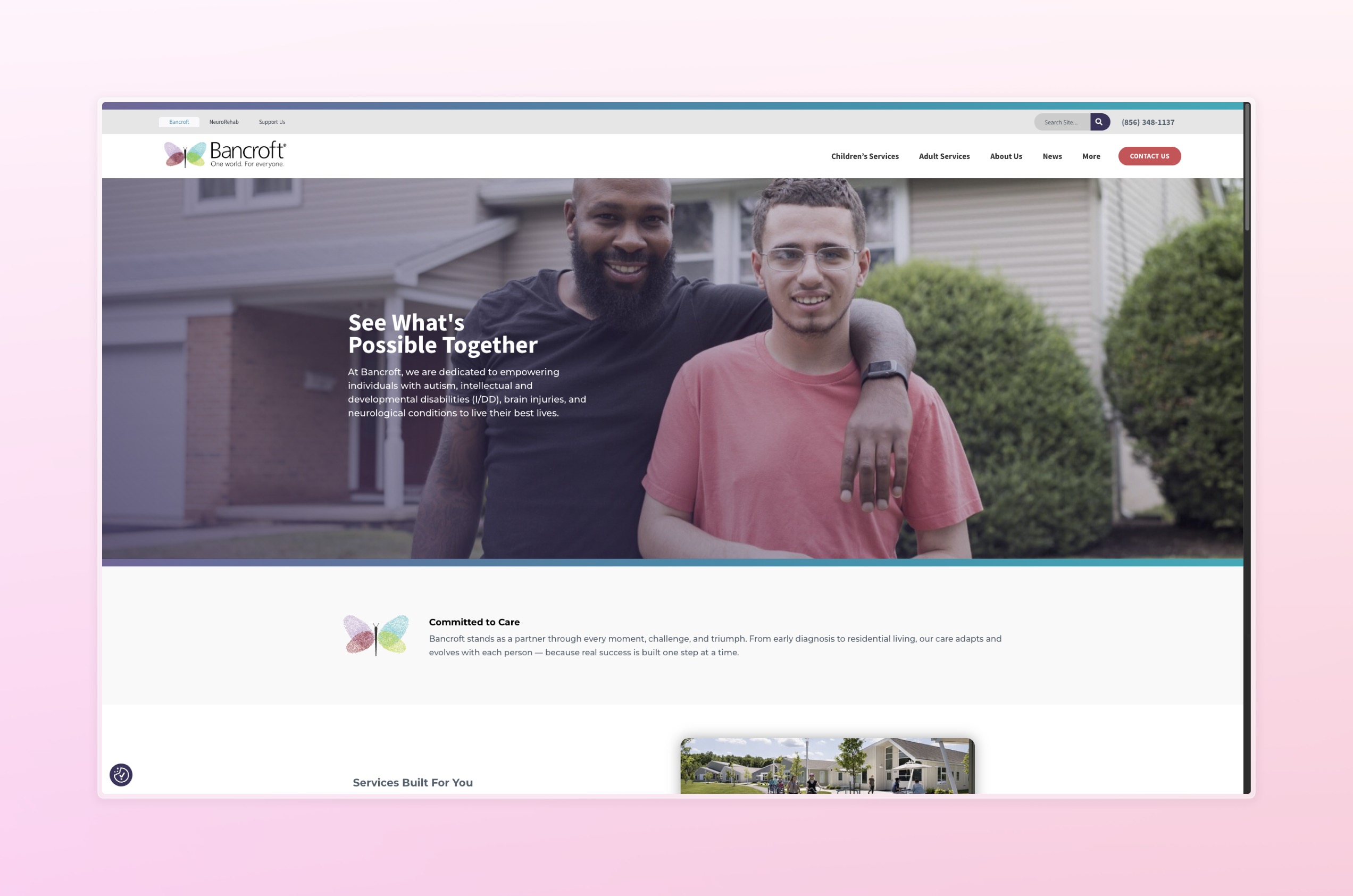


A scalable CMS-driven website structure, improved consistency across dynamically generated pages, reduced manual maintenance for content updates, a more efficient workflow for managing and publishing content, and a foundation that supports future expansion without major rework. Key takeaway: CMS architecture should always be defined before visual implementation — proper field structuring is critical for dynamic tag functionality, and planning for scalability early prevents technical debt later.
The existing setup lacked a scalable CMS structure for dynamic content, consistent design patterns across pages, flexible content relationships between collections, and efficient workflows for updating and managing content. Proper use of dynamic tags and templating was absent throughout the site — resulting in limited control over content presentation and constrained ability to expand without manual workarounds.
Defined collection types and relationships to support dynamic content rendering. Structured fields to align with reusable templates and established a hierarchy that supports future content expansion without requiring restructuring. Built reusable page templates tied to CMS collections and implemented dynamic bindings for consistent content injection across pages. Configured dynamic data sources for fields including titles, metadata, and content blocks — ensuring correct binding between CMS fields and page elements.
Created modular components to maintain design consistency while allowing flexibility across page types. Addressed limitations in dynamic tag availability by aligning collections and fields properly. Ensured consistent behavior across multiple templates and components while avoiding overly rigid structures that would constrain future updates.
Simplified the editing experience for content managers by reducing dependency on manual page edits and centralizing content in CMS collections. Improved scalability of content publishing workflows so the team could update and expand content without developer involvement. Balanced system integrity with flexibility to prevent technical debt as the site grows.

If you're impressed with my work, then let's make something special together
-Vince Wimberly Jr.
Owner of Life Advance Fitness